Product Design
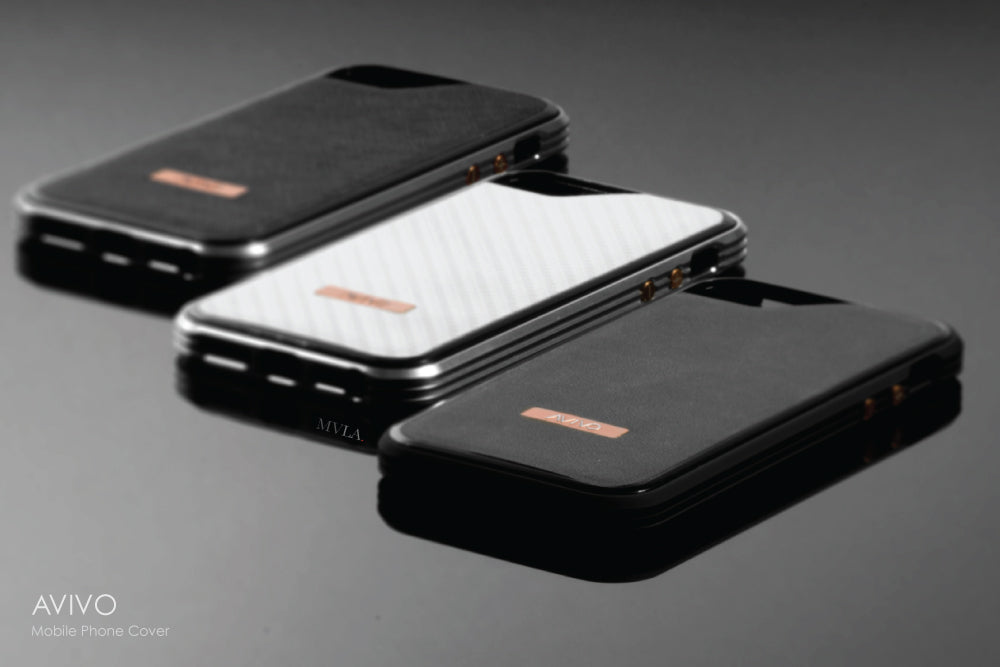
AVIVO Product Family
Form, materials, and finish create a recognizable product identity across a family of objects.
The Design QuestionHow can each variation feel distinct while belonging to the same brand?

Work & Evaluations
Explore selected portfolio imagery and see how a product evaluation or manufacturing roadmap can help you move forward.
Selected Work
A selection of product, packaging, and concept imagery from our portfolio. Each brings a different design question into focus.
Product Design
Form, materials, and finish create a recognizable product identity across a family of objects.
The Design QuestionHow can each variation feel distinct while belonging to the same brand?
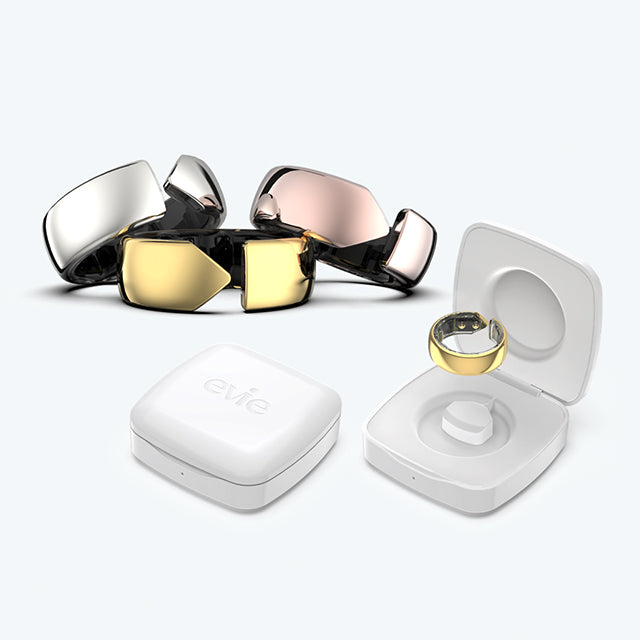
Product & Packaging
The product, its case, and its packaging meet as one experience, from first impression to everyday use.
The Design QuestionHow do the details support both the product’s purpose and the experience around it?
Explore the Evie Case Study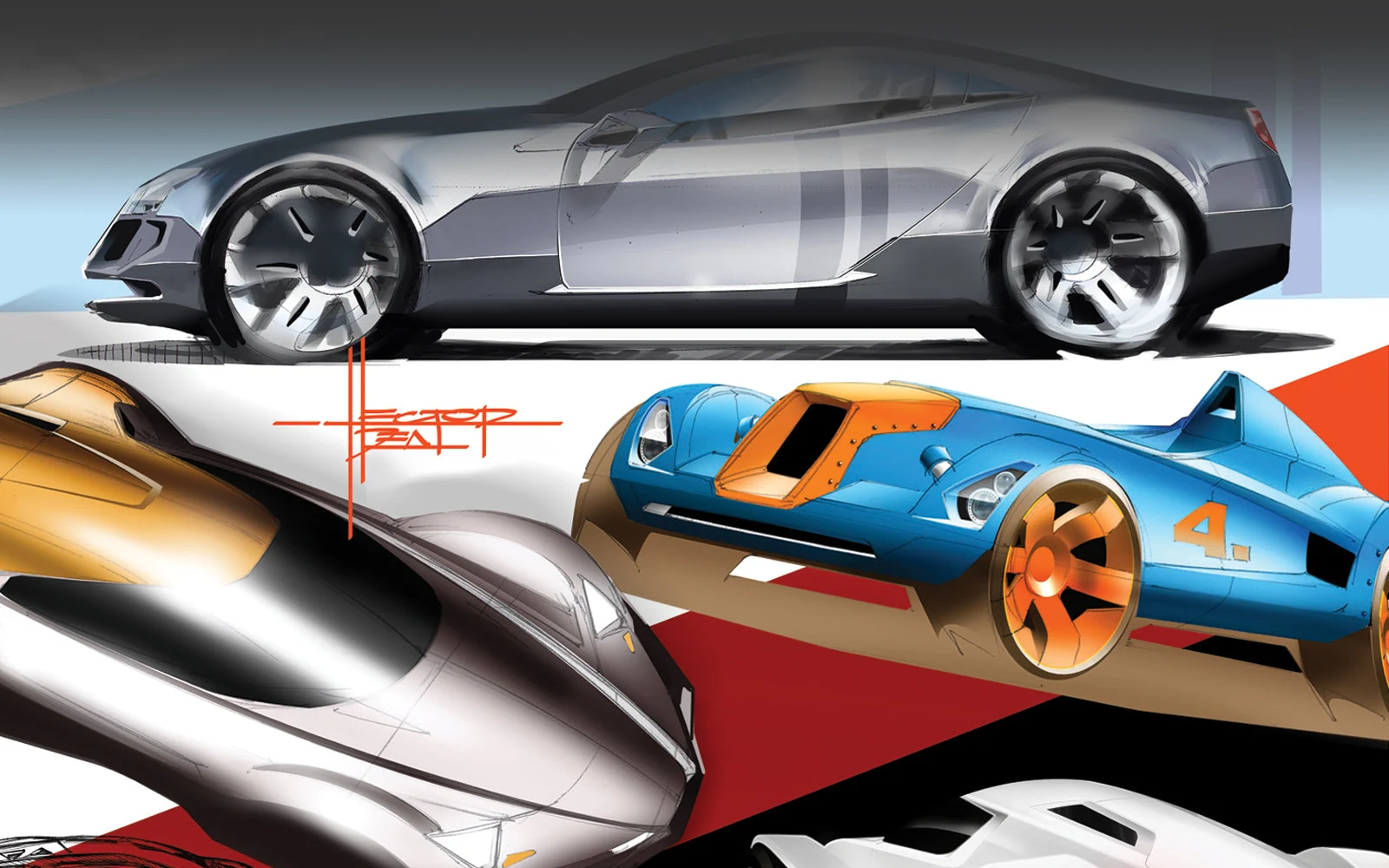
Concept Exploration
Sketches and models explore how exterior form and interior experience connect to the intended user.
The Design QuestionWhat should the design communicate, and how should it feel to use?
Inside a Product Evaluation
An evaluation turns design questions into priorities. It connects a recommendation to the user experience and makes the next decision clear.
This sample uses a fictional folding desk stand to show the kind of reasoning you can expect.
Open the Full Sample EvaluationIllustrative Example · Fictional Product
Assumed Brief: A startup is developing a compact phone stand for people who switch between video calls and focused desk work. The concept has a smooth base, a folding hinge, and a fixed cable opening.
Decision: What should be refined and tested before briefing suppliers?
Potential Issue: A smooth base may slide when someone taps the screen or adjusts the phone.
Recommendation: Compare base grip and footprint options with representative phones, cases, and desk surfaces.
Why: Stability affects whether the stand feels useful in the everyday moment it was designed for.
Decision to Make: Select a base direction after checking sliding, tipping, and ease of repositioning.
Potential Issue: An unmarked hinge may leave first-time users unsure which way to open or position the stand.
Recommendation: Explore a subtle grip detail and opening cue in a handling prototype.
Why: Form should help people understand the product without making setup feel like a task.
Decision to Make: Choose a cue after observing first-time setup and fold-away use.
Potential Issue: A fixed opening may obstruct larger connectors or strain a cable when the phone angle changes.
Recommendation: Check connector clearance, bend space, phone cases, and portrait/landscape use in the next prototype.
Why: A clean silhouette needs to work with the accessories and habits around it.
Decision to Make: Agree on supported device and cable combinations before committing to the opening geometry.
Build a handling prototype that compares the base and hinge options. Record what each version answers, what remains uncertain, and the changes to carry into the supplier brief.
This is a fictional example of our evaluation format. It contains proposed checks, not findings from a client project or completed user testing. Actual scope and deliverables are agreed for each engagement.
Inside a Manufacturing Roadmap
A roadmap connects product readiness with the practical work of making and delivering it, including suppliers, quality checks, packaging, and fulfillment.
Open the Full Sample RoadmapIllustrative Example · Fictional Product
A sequence of decisions, dependencies, and handoffs. The work can start at the stage your product has reached.
Agree on intended users, use scenarios, target price, expected quantity, and what the first version needs to do.
Use prototypes to check stability, setup, cable clearance, feel, and the intended user experience. Record refinements and unresolved questions.
Identify production methods, material and finish options, supplier capabilities, sampling needs, and specialist input. Compare costs, minimum quantities, and lead times.
Agree on approved samples, inspection points, finish expectations, assembly checks, packaging protection, labels, and responsibilities. Plan a pilot run.
Map production milestones, freight, fulfillment, storage, and customer delivery dependencies. Review pilot findings before committing to the next run.
Illustrative sequence, not a fixed schedule or production guarantee. Costs, timing, responsibilities, and specialist requirements depend on the product and agreed scope.
Built around Your Next Decision
We agree on the questions, work, and deliverables before beginning. Your engagement might focus on one evaluation, a prototype phase, or a broader path toward production.
Understand the proposed changes, their purpose, and the tradeoffs behind them.
See what to explore, what to validate, and what needs attention before the next commitment.
Use agreed briefs and next steps to align founders, suppliers, and specialist partners.
Start a Conversation
Bring your concept, prototype, or production questions.